



The honeymoon stage of a relationship feels like a never-ending joyride — full of laughter, lightness, and a sense that everything is, somehow, perfectly aligned. Days feel effortless, every conversation sparkles, and intimacy is abundant. Conflict seems distant or even impossible.
But where are you right now — still riding that passion-fueled high, or moving into the next chapter of your relationship?
Knowing which stage you’re in matters. If you’re still in the honeymoon phase, you can use the positivity it brings to strengthen the relationship’s foundation before the harder work begins.
If you’re moving on, recognizing the transition helps you prepare for a deeper, more resilient form of intimacy.
Read more: 10+ Simple Habits That Can Make Your Marriage Truly Happy
Below you’ll find ten clear signs that you’re in the honeymoon period of your relationship — plus a look at what typically follows after the honeymoon ends.
What is the honeymoon stage of a relationship?
The honeymoon stage is the opening period of a relationship defined by intense attraction, idealization of a partner, and a buoyant, carefree feeling.
To better understand how to build a lasting relationship once the honeymoon phase ends, watch this video:
You’re often infatuated, wanting to spend as much time as possible together. It’s common to overlook flaws and to feel as if the rest of the world has faded away while you’re with this person.
This phase is not just about sex or excitement; it’s about a psychological state where your brain lights up with novelty, reward, and positive bias toward your partner.
That doesn’t mean it’s permanent — it’s simply the romantic crescendo that often precedes a steadier rhythm.
To make this clearer, here are the ten most common signs that you’re still in the honeymoon phase.
10 signs you’re in the honeymoon stage of your relationship
Certain behaviors and feelings typically reveal themselves during the honeymoon period. Here’s how they usually show up.
Read more: 73 Heartfelt Relationship Quotes Every Couple Needs to See
1. You rarely fight (or even disagree)
During the honeymoon phase, arguments are scarce. You’re motivated to please each other, and you often choose agreement over confrontation — sometimes even on small issues where you might usually push back.
That doesn’t mean you’re lying about your preferences; rather, you’re softer, more forgiving, and willing to concede to keep the vibe buoyant.
Part of this comes from idealization: you’re less focused on flaws and more willing to chalk up annoying habits to “quirks” rather than red flags. While harmony feels great, it can also hide issues that later need attention — so take the peace as a gift, not proof nothing needs work.
2. Your physical intimacy is sky-high
Physical closeness is often front-and-center: kissing, cuddling, frequent sex, and public displays of affection become natural and frequent. If you live together, goodbye kisses, spontaneous embraces, and falling asleep in each other’s arms are daily rituals.
This physical intensity is driven by chemical and emotional factors — dopamine, oxytocin, novelty — and it creates a strong bond.
Enjoy it. It also helps to remember that intimacy can evolve into other forms of closeness once the initial chemistry stabilizes.
3. You have increased energy
You feel energized, alive, and curious. Even after a long day you’re ready for a late-night conversation, a spontaneous drive, or an impromptu date. That extra energy fuels exploration and helps you build memories together.

But be mindful: excitement can mask fatigue and responsibilities. It’s healthy to enjoy the high while also checking in with your longer-term commitments and self-care.
Read more: Double Dating Secrets: 7 Ways to Rekindle Romance in Your Marriage
4. You’re constantly talking or thinking about them
Your partner is on your mind — at work, with friends, in the grocery line. Stories and anecdotes about them pepper conversations, and you find ways to steer chats toward your relationship.
Your social circle might already know more about your love life than you planned to share.
This constant focus is a natural part of bonding and can feel thrilling. Balance comes from keeping some parts of your life distinct and protecting time for friendships and personal interests.
5. You want to always look your best in front of each other
You invest time in your appearance and presentation. You’ll pick a flattering outfit, style your hair a certain way, or spend a little longer getting ready just because you know you’ll see them.
Even the living space gets special attention: quick cleaning sprees, small decor tweaks, and little extras to make visits feel special.
This care shows affection, but it’s also okay to let your guard down sometimes and show the real, unstyled you.
6. You focus more on similarities and less on differences
You spend energy celebrating common ground — interests, values, goals — and often downplay differences. If there aren’t many shared hobbies, you may adopt a genuine curiosity or a performative enthusiasm for your partner’s favorites.
While emphasizing similarities builds connection, ignoring important differences entirely can cause surprises later. It’s useful to note where you genuinely align and where you’re adapting, so future negotiations feel fair.
7. You always try to prioritize your partner
They become a top priority, often above friends, family, or even responsibilities. You’re keen to make time and sometimes you rearrange plans to fit them in.
This prioritization is natural when a relationship is new, but it’s healthy to preserve other relationships too — friends and family are stabilizers during challenging times.
8. You can’t help smiling in your partner’s presence
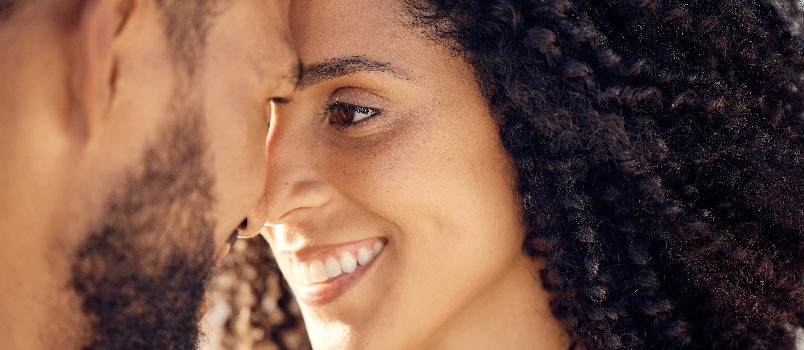
Smiles come easy and persistent. Eye contact alone can trigger a grin; remembering a shared joke or moment will make you beam. Even while apart, thoughts of them can lift your mood.
This effortless joy is a hallmark of the honeymoon phase — and a helpful reminder to savor small, pleasurable moments together.
9. You love each other’s eccentricities
Quirks feel endearing rather than irritating. What once might have been annoying transforms into charming idiosyncrasy. You laugh at jokes that aren’t objectively funny; you find their little rituals amusing instead of maddening.
This positive reinterpretation of behavior — sometimes called “rose-colored glasses” — is normal and strengthens early bonds. With time, some quirks may become less charming; that’s the moment honest conversation matters.
10. Every vacation with your partner feels like a honeymoon
If every holiday or getaway reignites that honeymoon glow, you’re likely still in the initial phase. Traveling together amplifies novelty and creates shared memories that feel magical, as if you’re reliving an extended honeymoon.
For many couples, travel during this stage cements the sense of being exactly where you belong.
When does the honeymoon phase end?
For most couples, the honeymoon stage can last from a few months up to a couple of years. The timeline varies: moving in together, major life stressors, or rapid escalation can shorten it.
Read more: From Crush to Commitment: 13 Ways to Turn Infatuation Into Real Love
A short honeymoon period isn’t a failure — what matters is the quality of the connection you build afterward.
If you want to savor this phase, slow the pace where possible: schedule time for each other without burning out, and be intentional about small rituals that keep connection alive.
What happens when the honeymoon period ends?
When the honeymoon stage fades, the relationship shifts from an idealized romance to a more realistic, sometimes messier partnership.
You’ll begin to notice flaws, experience decreased magnetic excitement, and encounter disagreements or conflicts you previously downplayed.
This transition may feel unsettling, but it’s where lasting love often forms. Without the rose-colored filter, you can be more honest, more grounded, and more capable of making compromises that suit both partners.
The skills you learn — communication, conflict resolution, empathy — are the scaffolding for a durable, mature relationship.
What does love feel like after the honeymoon stage?
Love after the honeymoon stage is deeper but less dazzling. It is steadier and more rooted in practical care: being dependable, navigating disagreements, and supporting each other through mundane or hard times.
Attraction may look different, but emotional intimacy and commitment can become richer and more meaningful.
You may need to work harder on romance and novelty, but that effort is often more sustainable and intentional than the automatic highs of the honeymoon phase.
Is the honeymoon phase over, or am I falling out of love?
Ask yourself what has changed. If you’ve lost only the heightened passion and idealization but still feel affection, caring, and a desire for a shared future, you’re likely moving past the honeymoon phase.
If you’ve lost affection entirely, struggle to picture a future together, or feel indifferent, it may be time to reassess the relationship and consider whether your goals still align.
Marriage is more about the later phases
The honeymoon stage is delightful but temporary for most. What follows — the challenge and the comfort — is where long-term partnerships are built.
If the new reality feels rocky, relationship or marriage therapy and structured relationship skills courses can help couples navigate the change and grow closer.
Enjoy the honeymoon while it lasts, but prepare for the work and rewards that come after. Lasting love isn’t a constant high; it’s the product of two people learning, adapting, and choosing each other deliberately over time.