


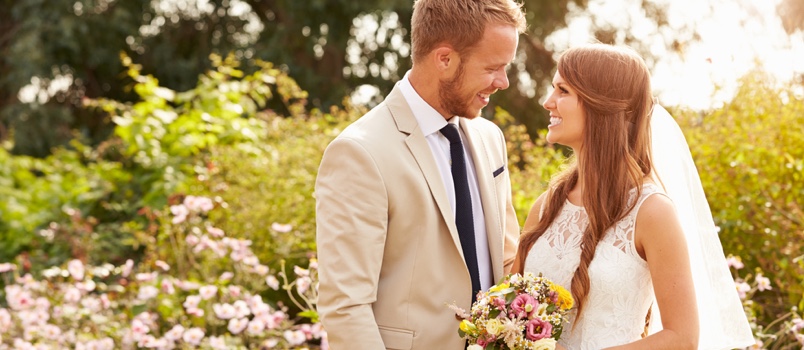
The moment you slip a ring onto someone’s finger, suddenly everyone has an opinion. Family members, friends, and well-meaning strangers will start handing out tips — some funny, some confusing, some painfully blunt. A lot of it will feel intrusive or even annoying; some of it will make you laugh, and a few comments might make you second-guess everything. But beneath the jokes and the teasing there are gems of wisdom that can actually help your marriage grow stronger. If you learn to sift through the noise and keep what’s useful, those suggestions can become tools you reach for when the road gets bumpy.
People often open with humor — the classic line being, “Marriage has two teams: one is always right and the other is the husband.” It’s teasing, and there’s truth in how humor helps us cope, but marriage is more than punchlines. It’s a serious commitment and a daily practice. So take the jokes lightheartedly, but pay attention when someone speaks from experience.
Love each other even when you’re struggling to like each other
This is the single most repeated piece of advice — and for good reason. There will be days when you snap, when petty fights make the evening feel unbearable, and when you can’t stand the sight of the person you vowed to be with. In those moments, remember that love and like are not always the same thing. Love is a choice and a practice; liking someone comfortably comes and goes.
A simple trick that works: pause, close your eyes, and run through a mental list of what drew you to them — their patience, their laugh, the way they help others. That shift in focus often cools anger and softens your heart. Small gestures matter too: send a short, kind message mid-day, make their favorite tea, or offer a hug without demanding an explanation. These tiny, deliberate acts remind both of you that the bond is still there, even when feelings are frayed.
Communication is the key
You’ve heard this before because it’s true. Communication isn’t just about getting your point across — it’s about understanding and being understood. That means actively listening, speaking honestly, and choosing how to deliver your words. Use “I” statements (“I feel…”, “I need…”) instead of accusatory phrases. That reduces defensiveness and opens the door to real conversation.
Timing matters: some talks are best scheduled, not sprung on in the middle of dinner or when one of you is exhausted. If you mishear something, ask for clarification instead of assuming. Many arguments explode from misunderstandings we could have avoided with one follow-up question. Try paraphrasing what your partner said before you respond — it shows you’re listening and gives them a chance to correct you if you missed the mark. And when things get heated, take a short break — calm down, then come back ready to solve the problem together.
Use non-verbal signs
Most couples communicate a lot without saying anything. A hand squeeze, a nod, eye contact, or a small lean toward your partner during conversation can speak volumes. Physical cues reassure — they let your partner feel seen and heard. Touch is a powerful connector: a brief touch on the arm during a tough conversation or holding hands while walking can reduce stress and rebuild closeness.
Nonverbal signals extend beyond touch. Your posture, tone of voice, and facial expressions broadcast how you’re feeling. Make a habit of matching your body language with what you say. If you’re trying to be open, uncross your arms, soften your face, and maintain gentle eye contact. These tiny signals keep the emotional channel clear even when words are clumsy.
Respect each other — it’s the foundation
After communication, respect is the single biggest thing that will carry a marriage through hard times. Respect looks like treating each other’s opinions, boundaries, and feelings as real and important — even when you disagree. It’s not about behaving like a pushover; it’s about valuing the person across from you enough to speak kindly and refrain from contempt.
Respect also means acknowledging differences without weaponizing them. If you lose respect, it’s very difficult to earn it back. Repair takes time, consistent action, and humility: sincere apologies, changed behavior, and small, steady shows of consideration. Think of respect as the operating system of your relationship — without it other good things won’t run properly.
Make laughter your marriage’s soundtrack
Hard days will come — that’s a given. But laughter softens life’s edges and keeps perspective in place. Find reasons to laugh together: share silly stories, keep a running list of inside jokes, or build playful rituals into your routine. Laughter isn’t just fun, it’s healing; it lowers tension, releases stress, and reminds you that you’re on the same team.
Create simple traditions that invite joy: a weekly date night, a quirky good-morning ritual, or a habit of sending one ridiculous meme a day. Those small pockets of lightness add up and become the memories you rely on when times are tough.
There won’t be a winner and a loser
Arguments aren’t competitions. When you treat disagreements like fights to be won, both of you lose because the relationship’s needs get sidelined. Instead, reframe conflict as a problem you solve together. Ask, “What do we need here?” rather than “Who’s right?” That shift turns energy toward solutions instead of score-keeping.
Sometimes compromise looks uneven in the moment, but a healthy partnership balances over weeks and months. The myth of the perfect 50/50 split is just that — a myth. Real teamwork is flexible: some days one person carries more weight, other days it’s the reverse. What matters is that both people are committed to carrying the load when needed.
Final takeaway
Marriage is not a simple arithmetic problem — it’s an ongoing, living agreement. It’s not 50/50; it’s 100% from both people, most days in different measures. Some mornings you’ll give 30 while your partner gives 70. Other times you’ll give 80 and they’ll give 20. The point is to keep giving at whatever level is needed while staying committed to the whole. That means practicing patience, humility, and steady effort every day.